header
News
Korean Medicine-Based Natural Product Research Gains Global Acclaim in Neuroinflammation
DATE 2026-09-14 13:45:39.0
- WRITER 학무부총장실
International collaborative study co-directed by Professor Bonglee Kim (Department of Pathology, College of Korean Medicine) as corresponding author
Paper selected as a Web of Science Top 0.1% Most Cited in Field
Comprehensive review on the neuroprotective potential of polyphenols underscores global prominence of Korean medicine-based natural product research
Paper selected as a Web of Science Top 0.1% Most Cited in Field
Comprehensive review on the neuroprotective potential of polyphenols underscores global prominence of Korean medicine-based natural product research
An international collaborative review paper co-directed by Professor Bonglee Kim of the Department of Pathology at the College of Korean Medicine as corresponding author has been selected as a Top 0.1% Highly Cited Paper on Clarivate’s Web of Science database. The paper, titled "Targeting natural antioxidant polyphenols to protect neuroinflammation and neurodegenerative diseases: a comprehensive review," was published in the January 2025 issue of the prestigious international journal Frontiers in Pharmacology (IF: 5.8, JCR Q1).
A Web of Science Top 0.1% ranking is a premier bibliometric indicator of exceptional academic influence and rapid scholarly adoption. Professor Kim previously authored five papers designated within the global top 1% of highly cited publications. This latest milestone carries profound significance, demonstrating that the review has established itself as an indispensable reference framework driving subsequent worldwide research in neuroprotection and natural drug discovery.
The paper provides a comprehensive synthesis of how polyphenols—potent natural antioxidants derived from botanical sources and functional foods—exert therapeutic promise against neuroinflammation and neurodegenerative pathology. Polyphenols are abundant in plant-based sources such as grapes, green tea, turmeric, blueberries, and onions, with well-known bioactive compounds including resveratrol, curcumin, epigallocatechin gallate (EGCG), and quercetin.
The research team reviewed the potential of polyphenols to contribute to neuroprotection through antioxidant, anti-inflammatory, and anti-amyloid actions. In particular, they extensively organized previous studies showing that polyphenols can reduce oxidative stress and inflammatory responses and regulate multiple signaling pathways related to neuronal survival. This does not mean that polyphenols have been established as actual therapeutics. The team explained that while they confirmed the potential of polyphenols, follow-up and clinical studies are required to verify their absorption rate in the body, blood-brain barrier permeability, and long-term safety.
“Complex neurodegenerative disorders cannot be attributed to a single etiological trigger," Professor Kim emphasized. "Because oxidative stress, chronic neuroinflammation, abnormal protein aggregation, and mitochondrial dysfunction are intricately intertwined, a multi-pronged therapeutic strategy is imperative." He concluded: "By interfacing traditional natural medicine with modern biomedical science, we are unlocking groundbreaking paradigms and fresh interpretive models for complex disease therapeutics.”
Looking ahead, Professor Kim plans to spearhead follow-up investigations centered on the synergistic dynamics of polyphenol complexes, nano-encapsulation drug delivery platforms, and neuromodulatory signaling via the gut-brain axis. In parallel, he is actively translating these laboratory discoveries into real-world applications through his faculty-led biomedical spin-off, Dr. B Lab, developing functional foods, cosmeceuticals, and proprietary pipeline materials for novel therapeutics.
“I am dedicated to bridging basic science with translational research so that our discoveries do not remain confined to journal pages, but deliver tangible therapeutic value to society," Professor Kim concluded. "I hope the next generation of scholars will continue translating the time-tested insights of Korean medicine into the universal language of modern science, engaging boldly with the global research community.”
A Web of Science Top 0.1% ranking is a premier bibliometric indicator of exceptional academic influence and rapid scholarly adoption. Professor Kim previously authored five papers designated within the global top 1% of highly cited publications. This latest milestone carries profound significance, demonstrating that the review has established itself as an indispensable reference framework driving subsequent worldwide research in neuroprotection and natural drug discovery.
International Influence Proven by Top 0.1% Citations
“When I first received the news, it hardly felt real," remarked Professor Bonglee Kim. "Knowing that researchers worldwide are actively drawing on our work to ground their subsequent investigations is a tremendous scholarly honor. This achievement reflects the tireless dedication of our graduate students and research professors in the Department of Pathology, as well as our international research partners across the United States, Saudi Arabia, and Bangladesh.”The paper provides a comprehensive synthesis of how polyphenols—potent natural antioxidants derived from botanical sources and functional foods—exert therapeutic promise against neuroinflammation and neurodegenerative pathology. Polyphenols are abundant in plant-based sources such as grapes, green tea, turmeric, blueberries, and onions, with well-known bioactive compounds including resveratrol, curcumin, epigallocatechin gallate (EGCG), and quercetin.
Spotlight on Polyphenols: Therapeutic Potential in Modulating Neuroinflammation
Neuroinflammation is characterized by sustained inflammatory cascades within the central nervous system. The brain relies on specialized resident immune cells known as microglia for immune defense and tissue homeostasis under physiological conditions. However, chronic or pathological stimulation can cause microglia to become overactivated, releasing pro-inflammatory cytokines and neurotoxic mediators that trigger progressive neuronal damage. This persistent neuroinflammation is recognized as a key driver accelerating the pathogenesis and progression of major neurodegenerative disorders, including Alzheimer’s disease, Parkinson’s disease, dementia, and multiple sclerosis.The research team reviewed the potential of polyphenols to contribute to neuroprotection through antioxidant, anti-inflammatory, and anti-amyloid actions. In particular, they extensively organized previous studies showing that polyphenols can reduce oxidative stress and inflammatory responses and regulate multiple signaling pathways related to neuronal survival. This does not mean that polyphenols have been established as actual therapeutics. The team explained that while they confirmed the potential of polyphenols, follow-up and clinical studies are required to verify their absorption rate in the body, blood-brain barrier permeability, and long-term safety.
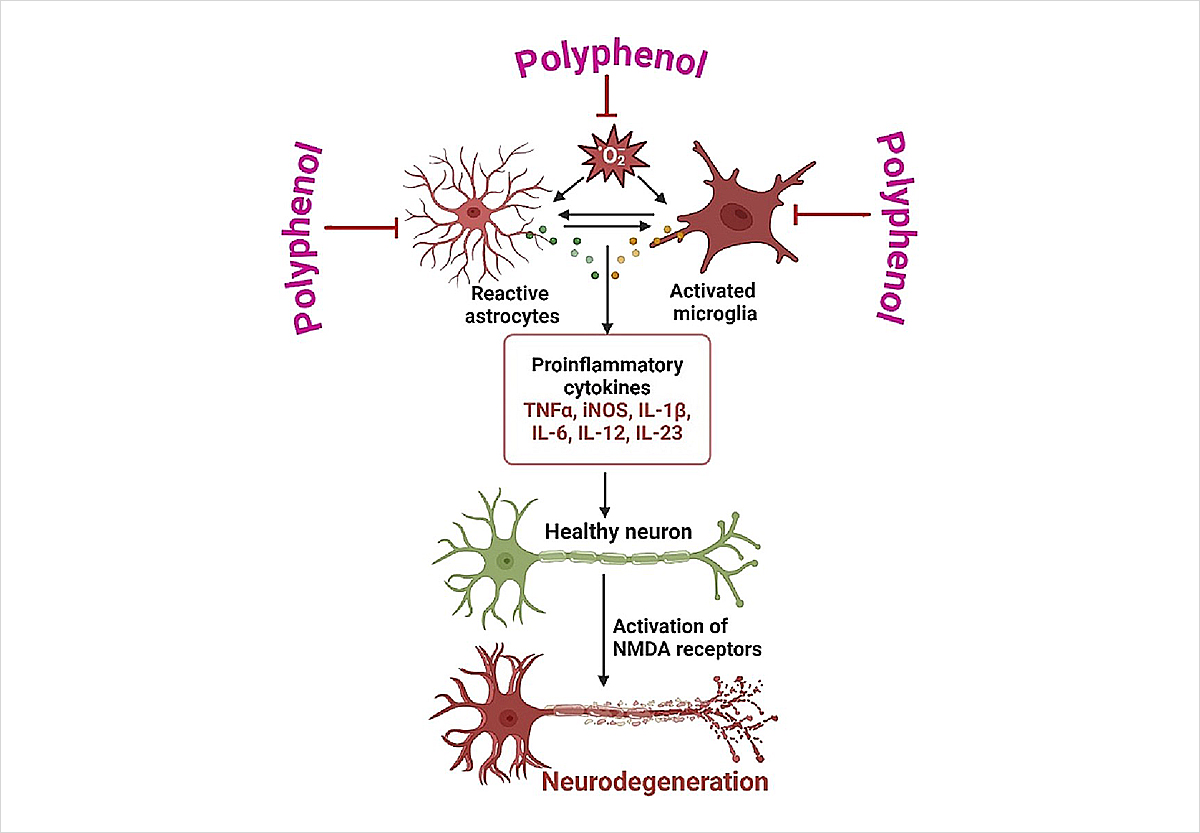
Mechanisms of neuroinflammation and neurodegenerative pathogenesis: While resting microglia safeguard the central nervous system under normal conditions, chronic inflammatory stimuli trigger sustained microglial activation, accelerating neuronal apoptosis and neurodegenerative disease progression.
Alignment with the Multi-Component, Multi-Target Principles of Korean Medicine
“Polyphenol research directly reflects the core philosophy of Korean medicine: a multi-component, multi-target paradigm," Professor Kim explained. Rather than relying on a single isolated compound acting on a single molecular target, diverse synergistic compounds interact holistically across multiple physiological and biological pathways. This synergy marks a powerful convergence where centuries of Korean medicine natural product pharmacopeia intersect with modern molecular pathology and cutting-edge neuroscience.“Complex neurodegenerative disorders cannot be attributed to a single etiological trigger," Professor Kim emphasized. "Because oxidative stress, chronic neuroinflammation, abnormal protein aggregation, and mitochondrial dysfunction are intricately intertwined, a multi-pronged therapeutic strategy is imperative." He concluded: "By interfacing traditional natural medicine with modern biomedical science, we are unlocking groundbreaking paradigms and fresh interpretive models for complex disease therapeutics.”
Expanding Practical Applications to Meet the Demands of a Super-Aging Society
The rapid surge in citations within such a brief timeframe is largely driven by the topic's profound timeliness. With accelerated global population aging, the socioeconomic and healthcare burdens of neurodegenerative conditions—such as Alzheimer’s and Parkinson’s diseases—have escalated dramatically. Simultaneously, global consumer and scientific interest in natural bioactive compounds, nutraceuticals, and preventive healthcare strategies has surged. In this climate, the review is widely recognized for delivering an authoritative roadmap that navigates the intricate landscape of polyphenol pharmacology and neuroinflammation for future researchers.Looking ahead, Professor Kim plans to spearhead follow-up investigations centered on the synergistic dynamics of polyphenol complexes, nano-encapsulation drug delivery platforms, and neuromodulatory signaling via the gut-brain axis. In parallel, he is actively translating these laboratory discoveries into real-world applications through his faculty-led biomedical spin-off, Dr. B Lab, developing functional foods, cosmeceuticals, and proprietary pipeline materials for novel therapeutics.
“I am dedicated to bridging basic science with translational research so that our discoveries do not remain confined to journal pages, but deliver tangible therapeutic value to society," Professor Kim concluded. "I hope the next generation of scholars will continue translating the time-tested insights of Korean medicine into the universal language of modern science, engaging boldly with the global research community.”
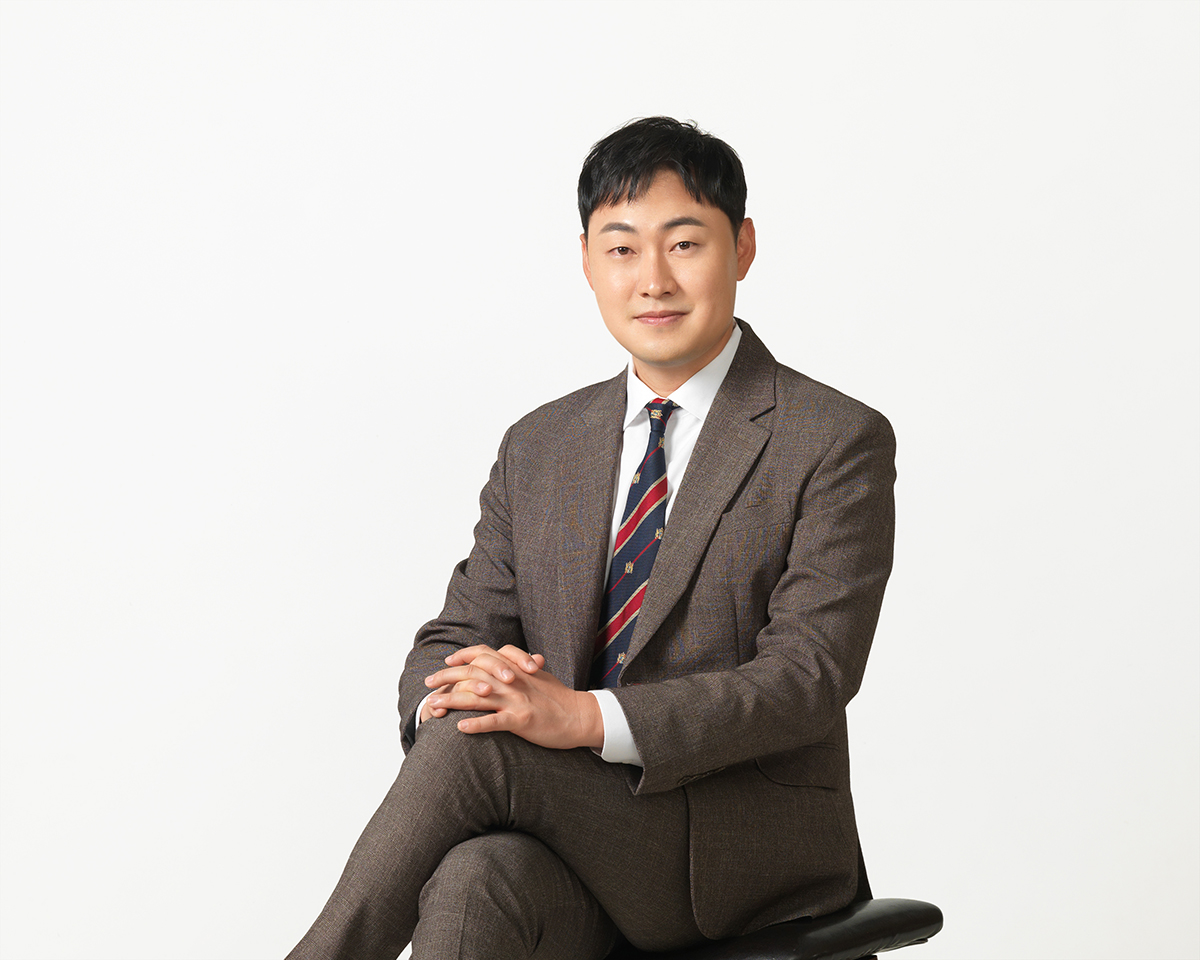
Professor Bonglee Kim expands Korean medicine-based natural product research at the intersection of modern molecular pathology and neuroscience.