header
News
Kyung Hee University Hosts Leadership Seminar to Align Strategy and Execution
DATE 2026-08-18 09:56:17.0
- WRITER 학무부총장실
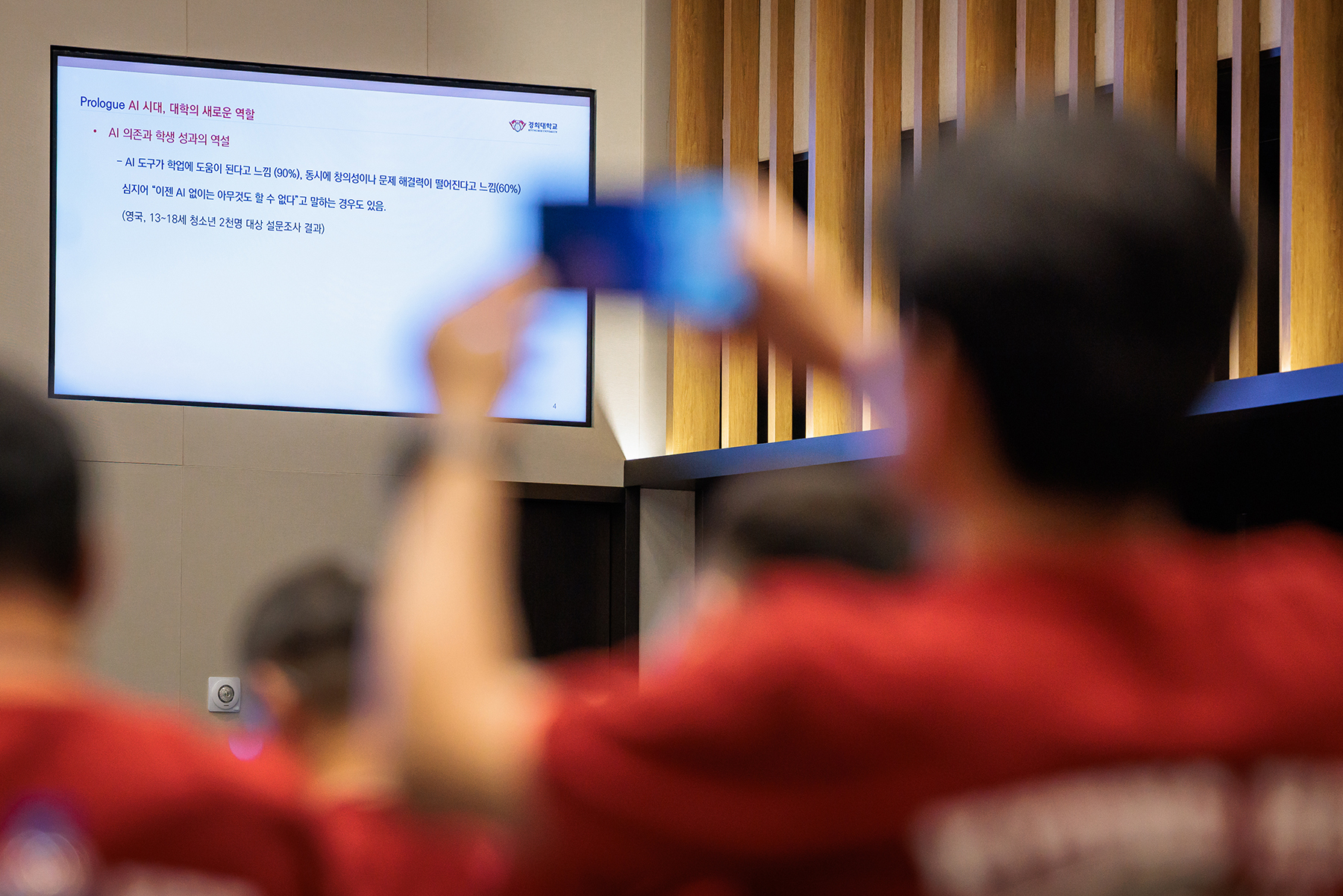
Kyung Hee held the "2026 Leadership Workshop” to align efforts toward university goals.
University shares core objectives including student success, educational innovation, and administrative/financial reform
Participants seek strategies to strengthen organizational execution and collaboration in the era of AI transition
Kyung Hee University held the "2026 Leadership Workshop for Department and Team Heads: Achieving University Goals" at the Resom Resort in Jecheon. Building on the strategic priorities and institutional goals outlined during February’s Academic Affairs Committee retreat, the 2026 Leadership Workshop aimed to translate these broader initiatives into concrete department-level action plans to strengthen the university's overall execution capacity. Attendees included President Jinsang Kim, vice presidents, key university administrators, and team and department directors from the headquarters, colleges, and affiliated institutions.
The higher education landscape is shifting rapidly amid a shrinking school-age population, AI-driven transformations in teaching and research, fluctuating finances, and mounting competition among universities. In such a transitional era, establishing a ground-level execution framework is just as vital as formulating high-level strategy. To that end, the workshop reaffirmed the role of team and department directors not as mere messengers of top-down strategy, but as core operational leaders who coordinate execution and champion cross-departmental collaboration.
Organized around two daily themes–”Understanding, Reflection, and Role Redefinition" on Day 1, and "Execution Leadership for Transformation: Completing the Strategy" on Day 2–the workshop provided a forum for participants to align on institutional priorities, flesh out department-specific action plans, and explore practical solutions for university advancement.
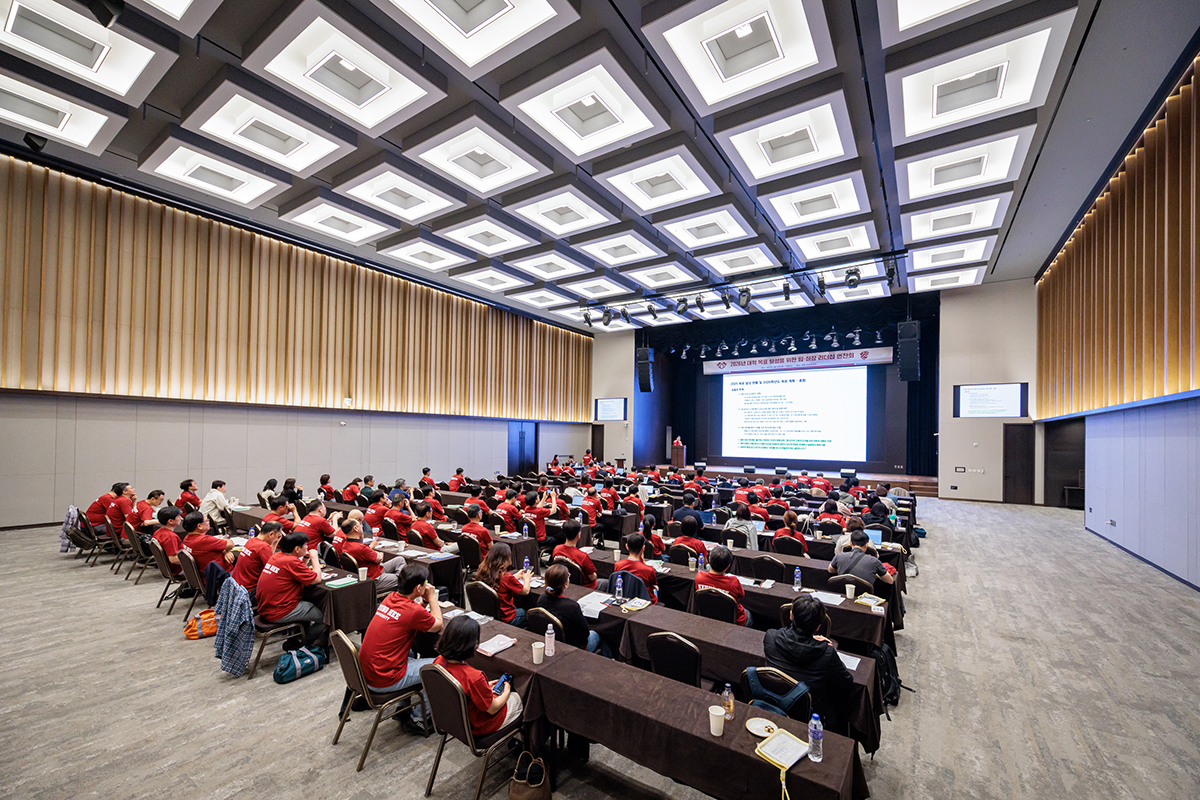
President Jinsang Kim encouraged the participating team and department directors through his address, "Action for Transformation and a Bold Leap Forward."
Reaffirming the Role of Team Directors on the Front Lines of University Transformation
In his opening remarks, Director of Human Resources Se-Yoon Oh outlined the purpose of the workshop, emphasizing the need to reflect on how education and research achievements create tangible impact for students and society, and whether administrative operations adequately support the commitment and creativity of faculty and staff. He expressed hope that the workshop would serve not merely as a one-time gathering, but as a catalyst that translates mutual understanding into concrete organizational change.
Next, President Jinsang Kim shared a message underscoring the vital roles and responsibilities of department and team leaders under the theme "Action for Transformation and a Bold Leap Forward." With President Kim briefly stepping away to attend a government project presentation, Provost (Seoul) Eunlim Chi delivered the address on his behalf. President Kim highlighted that university-wide strategies and goals come to fruition only through daily operational execution and organic inter-departmental collaboration, placing frontline leaders in a pivotal position to coordinate priorities and accelerate success. “Realizing our institutional vision requires the steady accumulation of daily choices and disciplined execution,” President Kim emphasized in his address. “We need the insight to identify on-the-ground challenges, bridge departments, and drive decisive action. University leadership will spare no effort in clarifying authority and responsibility to build an environment where every member can reach their full potential. Initiative and collaborative coordination are the driving forces that will turn Kyung Hee’s global excellence into reality. Let us learn together, communicate boldly, and lead with action.”
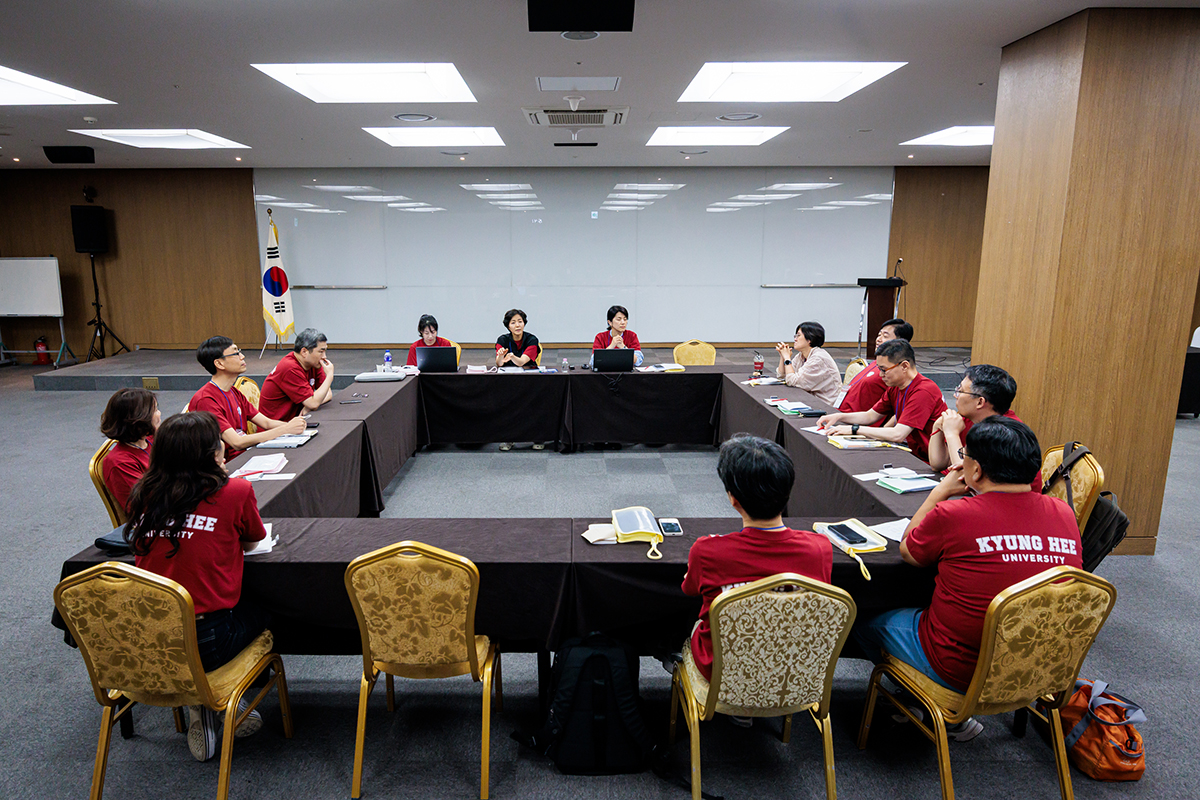
Department and team leaders engaged in active discussions, drawing on their administrative expertise to shape execution strategies across eight sessions during the two-day workshop.
Translating Vision into Concrete Action Plans
The two-day workshop comprised eight intensive sessions. Day 1 opened with presentations on the “Status of 2025 University Goals & 2026 Plans" and "Academic Affairs Committee Outcomes & Best Practices for Enhancing Institutional Competitiveness."
Guided by the Kyung Hee University System’s banner theme, “Aim Higher, Act Deeper," participants aligned on the institution’s strategic roadmap in an era of rapid transition. Discussions centered on moving beyond ranking-driven competition to reinforce Kyung Hee’s distinctive strengths and identity. To achieve this, the university outlined plans to foster “Global Niche Tops" across core disciplines and establish a human-centered "KHU Signature."
Participants also explored avenues to secure long-term competitiveness by expanding global networks, developing open-platform campuses, modernizing finance and physical infrastructure, and refining internal performance systems. Additionally, attendees stressed the need for a cohesive operational framework so that research excellence translates directly into enhanced institutional reputation, diversified revenue streams, and enriched student satisfaction.
Session 2 showcased proven practices and strategic priorities across five key areas: student success (career placement and graduate studies), academic systems, development and public relations, administrative and financial innovation, and research support infrastructure. Emphasizing student growth as the cornerstone of university governance, participants proposed robust support mechanisms spanning career development, graduate studies, and entrepreneurship. Key initiatives highlighted to systematically scaffold student pathways included graduation deferral options, expanded field training and internships, undergraduate research programs, and the launch of an integrated Student Growth Platform.
On the academic front, discussions focused on expanding interdisciplinary and multi-major curricula, implementing institute-anchored educational models, and aligning student course choice with academic advising frameworks. In external affairs, strategies addressed elevating brand equity, mobilizing alumni networks, and cultivating a sustainable culture of philanthropy. Meanwhile, administrative and research support sessions focused on optimizing expenditure, maximizing space utilization, and modernizing administrative services to attract research funding.
These presentations set the stage for in-depth breakout discussions and the formulation of department-level action plans during Day 2’s strategy execution sessions. Working groups gathered across specialized tracks—Student Success, the Student Growth Platform, Administrative/Financial/Research Support Systems, Development & External Relations, and Academic Systems—to convert high-level institutional goals into actionable department roadmaps.
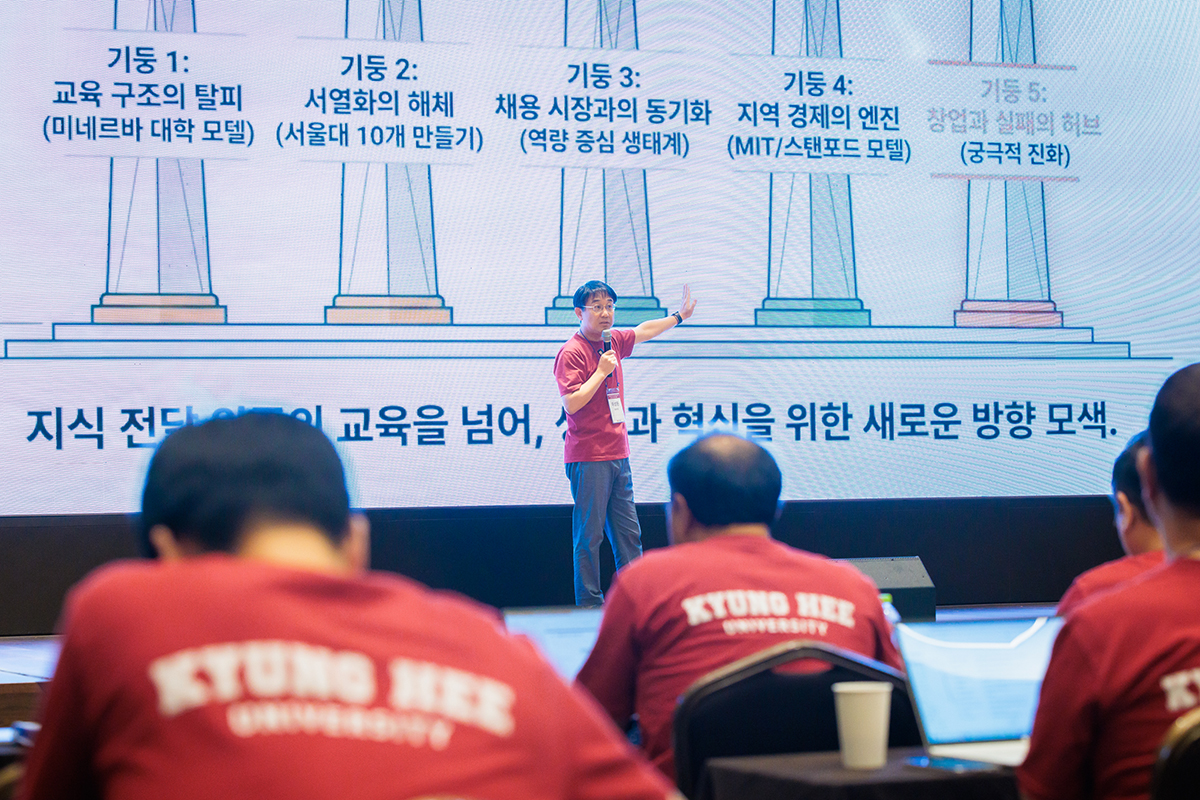
Special lectures scheduled between sessions helped participants deepen their understanding of AI-era transformations and the shifting generational landscape.
Navigating Administrative Leadership Amidst AI Transition and Generational Shifts
Day 2 opened with special lectures and the sharing of strategic execution plans. Director of Information Technology Sung-Won Lee delivered the first lecture, "Practical Administrative Strategies for Building an AI-Native University." Outlining rapid advancements in artificial intelligence and their broad societal and industrial impacts, Director Lee emphasized that university administration must proactively adapt. He noted that as generative AI accelerates the shift from traditional lecture-based instruction to ecosystems centered on creativity, experimentation, and interdisciplinary connection, administrative units must actively embrace and integrate new technologies and workflows.
During the subsequent "Strategy Execution & Action Plan Sharing Session," participants consolidated concrete action plans emerging from the previous day's breakout discussions. Key proposals to elevate student success included graduation deferral policies, expanded field internships, counseling-anchored career advising, and enriched undergraduate research fellowship opportunities. Participants also discussed integrating full-lifecycle student data from matriculation to graduation via the Student Growth Platform to provide sophisticated, tailored support. Additional core initiatives included expanding double majors and micro-credentials, strengthening college-driven development and reputation management, and optimizing spending and space allocation.
The third special lecture, "Creating a Performance Culture with the MZ Generation," explored the direction of organizational leadership in a shifting generational landscape. The session addressed evolving workplace expectations among the "MZ" generation (Millennials and Generation Z), emphasizing that differences in perspective should be understood as distinct expectations and viewpoints rather than simple perceptual gaps. Attendees reaffirmed the importance of adapting to changing communication environments and understanding team member characteristics to foster mutual trust and collaboration across the organization.
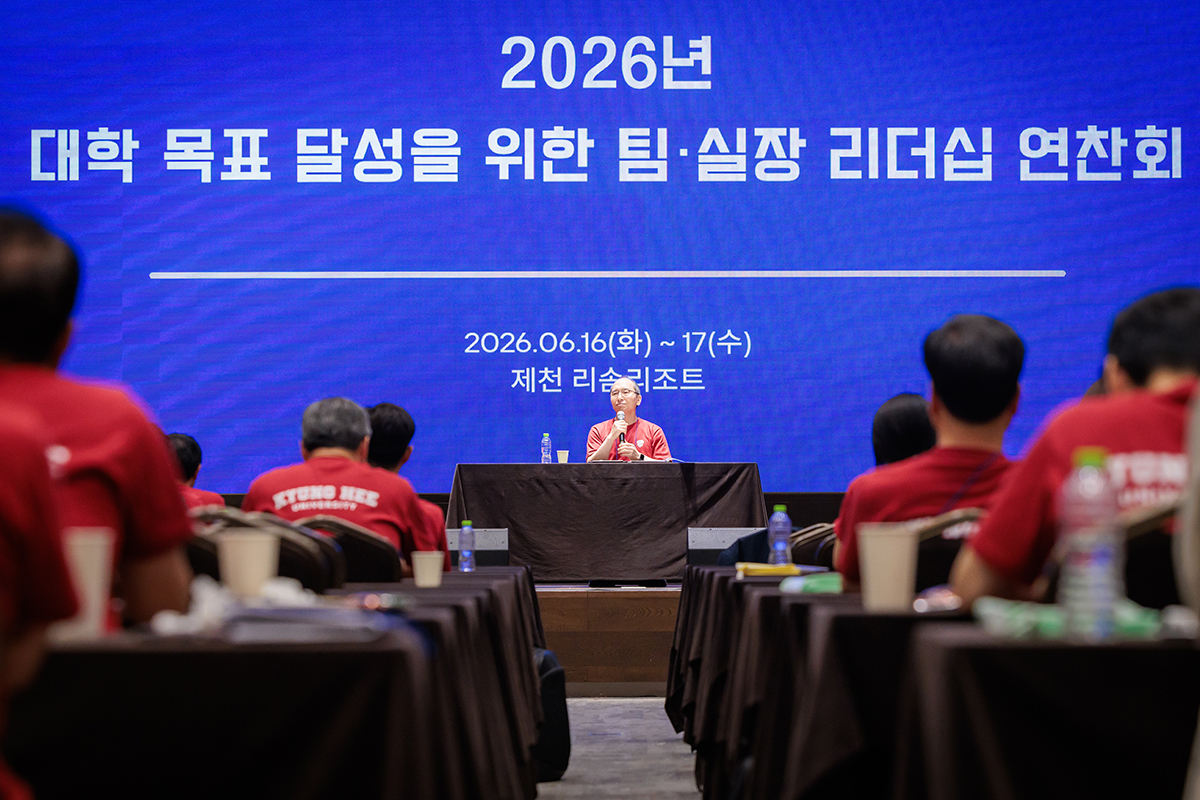
The workshop concluded with an open, candid Q&A session between President Jinsang Kim and department and team leaders.
Dialogue with the President: Aligning Infrastructure and Communication
The final session featured a "Dialogue with the President," opening the floor to an in-depth Q&A session on key institutional priorities, including future strategy, educational innovation, human resources, and academic restructuring.
Reflecting on his tenure, President Kim expressed gratitude to the university community: "With more than half of my four-year term now behind us, meaningful change is taking tangible shape. The dedication of our faculty and staff has played a pivotal role in structuring and elevating the university's foundational systems." Addressing the administrative staff in particular, he added, "While our staff possess outstanding capabilities, the university has not always provided sufficient structural support for them to fully thrive. In the remainder of my term, I am committed to strengthening the institutional environment to empower our staff."
The session also addressed personnel management strategies to support key university policies. President Kim emphasized, "We must recruit and cultivate exceptional talent equipped with deeper academic backgrounds and specialized expertise." Designating personnel, finance, and physical space as the university's three core resources, he highlighted the need for continuous operational improvements to manage them efficiently and rationally.
Discussions also turned to academic restructuring alongside the expansion of double majors and convergence programs. Participants noted that traditional academic silos are insufficient for preparing students for a future defined by technological disruption and the transition to AI, underscoring the urgency of reforming the educational framework. In response, President Kim affirmed that institutional reforms must proceed through meticulous preparation, iterative refinement, and sustained, transparent dialogue with all members of the university community.
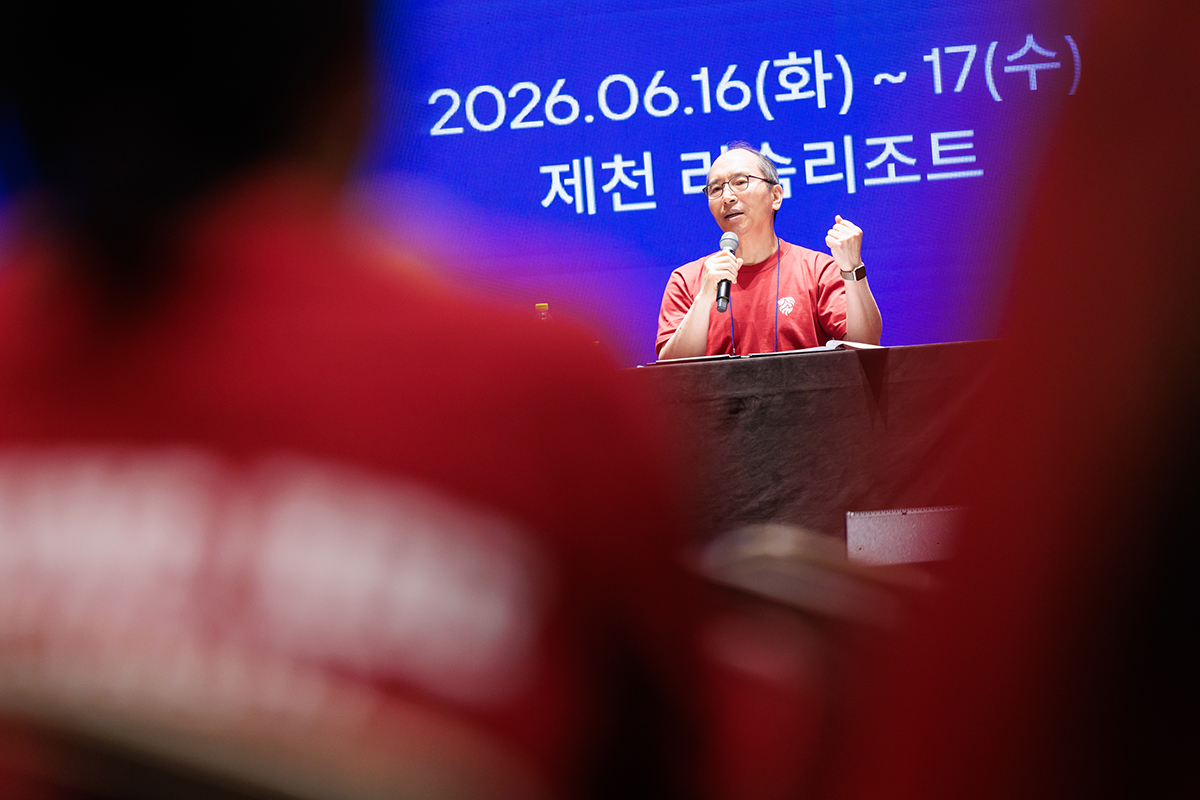
President Jinsang Kim outlines his vision to enter the top 100 of the QS World University Rankings and establish a new university model where research is integrated into everyday life.
President Jinsang Kim Pledges to Build a New Communication Model Grounded in Emotion, Culture, and Empathy
President Kim followed with a structural analysis of the university's strategies for navigating an evolving future. "During my term, I have set a clear goal to elevate Kyung Hee into the global top 100 in world university rankings," President Kim stated, underscoring that "we must prioritize overwhelming qualitative excellence over mere quantitative growth." He highlighted the imperative to bolster specialized qualitative competitiveness, expand research-anchored education, and drive differentiation strategies that maximize Kyung Hee's unique strengths. "We will establish a new paradigm where research is woven into daily life across the university," he declared.
In his closing remarks, President Kim emphasized: “Now is the time for execution.” Stressing the critical importance of translating high-level strategy into tangible action, he noted that institutional transformation cannot be achieved by policy revisions alone, but thrives on mutual trust, collaboration, and transparent, sustained dialogue among all members of the university community. Moving forward, Kyung Hee plans to cultivate an open, agile organizational culture driven by active communication channels, AI-enabled administrative innovation, and an institutionalized proposal system
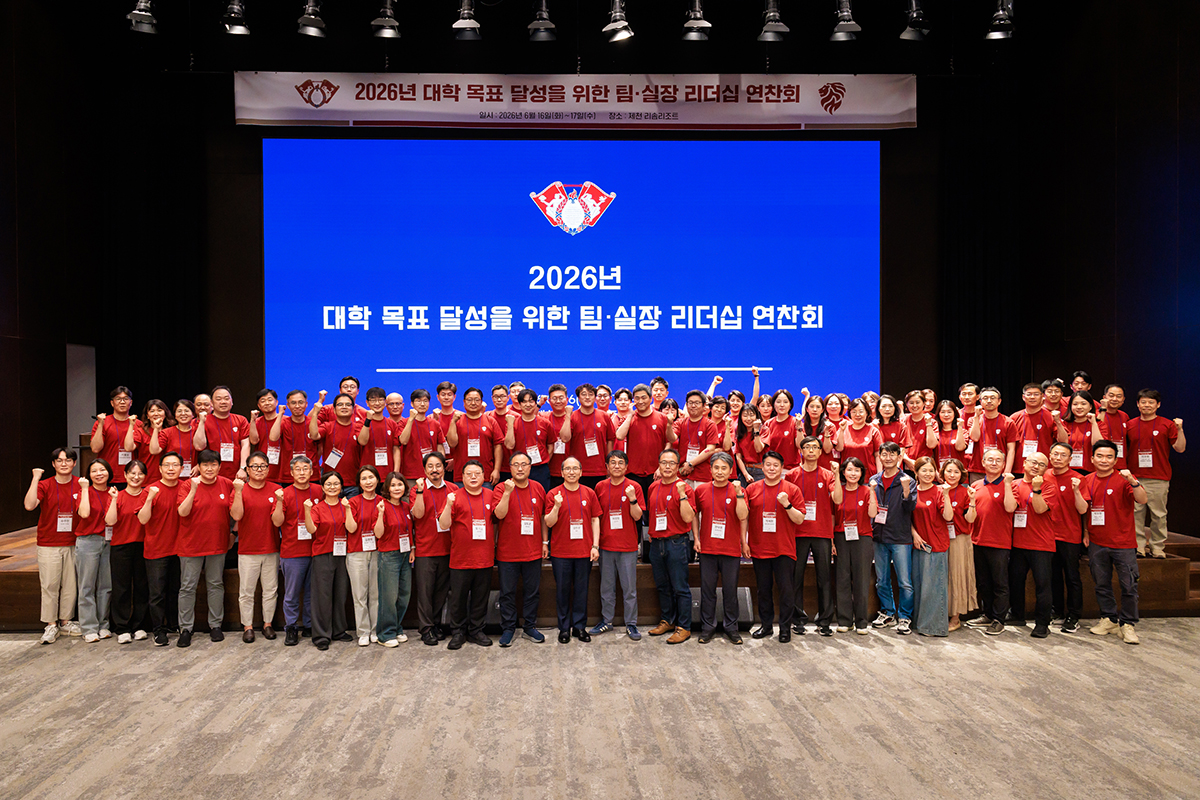
Beyond simply sharing institutional goals, the two-day leadership retreat provided a practical springboard for translating strategic vision into department-level execution.