header
News
Textile-Based Robotic Skin Aims to Enhance Human–Robot Interaction
DATE 2026-02-02 16:30:26.0
- WRITER 학무부총장실
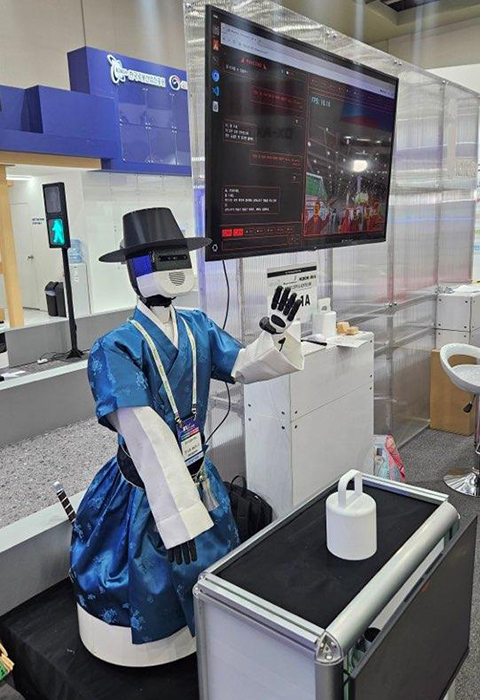
A new collaboration between Kyung Hee and AI robotics firm Circulus Inc. is exploring textile-based robotic skin as a new approach to improving sensory interaction between humans and robots
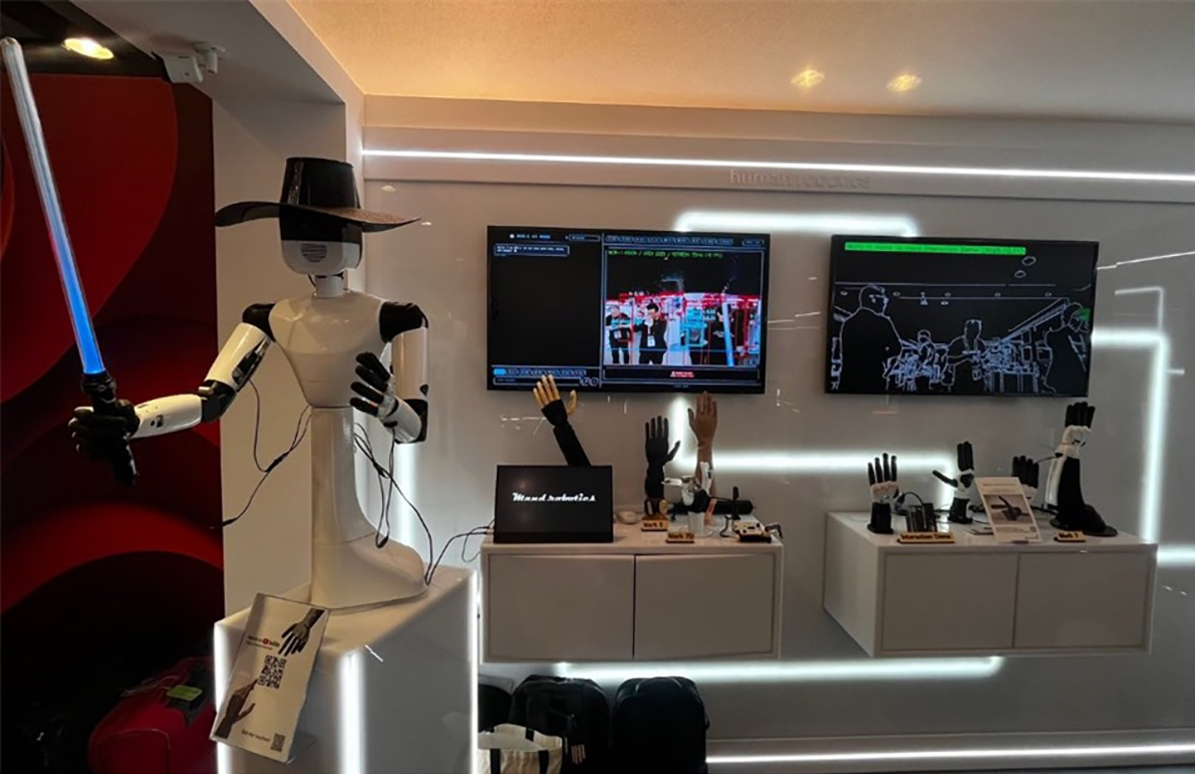
The joint research team has launched a project to develop textile-based robotic skin, a flexible outer layer designed to replicate human tactile perception and physical adaptability. The collaboration began following a public demonstration at the APEC Leaders’ Meeting in Gyeongju last October, where a humanoid robot wearing fabric-inspired attire reminiscent of costumes from the globally popular K-Pop Demon Hunters drew widespread attention. Building on that moment, the research has since evolved into a full-scale scientific initiative aimed at bridging the sensory gap between humans and humanoid robots. The project brings together a multidisciplinary team from Kyung Hee, including Professors Taekyung Kim of Big Data Analytics, Dokyoung Kim of the College of Medicine, and Seonju Kam and Hwa Kyung Song from the Department of Clothing & Textiles.
The human touch, tailored: textile-based skin for humanoid robots
Building on its research strengths in textiles and advanced materials, the Kyung Hee research team is designing fabric-based materials that can be directly applied to robotic surfaces while maintaining high elasticity and durability. Unlike conventional rigid shells made of metal or plastic, textile-based skins allow for greater flexibility and deformation, making them more suitable for simulating human-like movement and touch.
For Circulus Inc., which has recently advanced robotic cognition through the development of its Intel-based piCore AI board series, the collaboration marks an expansion of research from the robot’s “brain” to its “skin.” Through the joint project with Kyung Hee, Circulus aims to move beyond robots that simply perceive and execute commands toward systems capable of sensory-based interaction with humans.
“Textiles are far more flexible and adaptable than conventional metal or plastic, making them the ideal medium for a robot’s sensory expression,” said Professor Song. Professor Taekyung Kim added, “By weaving sensors into the fabric, we aim to develop robots capable of distinguishing human warmth and physical contact and responding accordingly.”
Park Jonggun, CEO of Circulus Inc., emphasized the importance of surface technology in the commercialization of humanoid robots. “For humanoid robots to be adopted in everyday life, reducing the psychological distance between humans and robots is more important than aesthetic appearance alone,” he said. “The collaboration with Kyung Hee is expected to establish a technological foundation that allows robots to coexist naturally alongside people.”
The joint team plans to produce a prototype of the textile-based robotic skin by the first half of next year. The technology is expected to be applied to the humanoid robot MCR-1 and the MYBO care-service robot series, which Circulus is co-developing with Mand.ro Co. Ltd. and Roboworks Inc.